


Complete Guide To Interior Doors in 2026
Jun 09, 2026
Leave a message
Complete Guide to Interior Doors in 2026
Meta Title: Complete Guide to Interior Doors in 2026 | Types, Materials & Buying Tips
Meta Description: Learn everything about interior doors in 2026, including door types, materials, sizes, styles, and expert tips for choosing the right interior doors for your home or project.
Complete Guide to Interior Doors in 2026
Interior doors play an essential role in both residential and commercial spaces. They provide privacy, improve sound insulation, and contribute significantly to interior design. As homeowners, builders, and developers seek modern and functional solutions, the demand for high-quality interior doors continues to grow in 2026.
This guide covers everything you need to know about interior doors, including types, materials, styles, sizes, and factors to consider before purchasing.
What Are Interior Doors?
Interior doors are doors designed for use inside buildings. Unlike exterior doors, they are not exposed to harsh weather conditions and are generally lighter in construction. Interior doors are commonly installed in bedrooms, bathrooms, offices, closets, and utility rooms.
The right interior door can enhance aesthetics, improve functionality, and increase property value.
Types of Interior Doors
Panel Doors
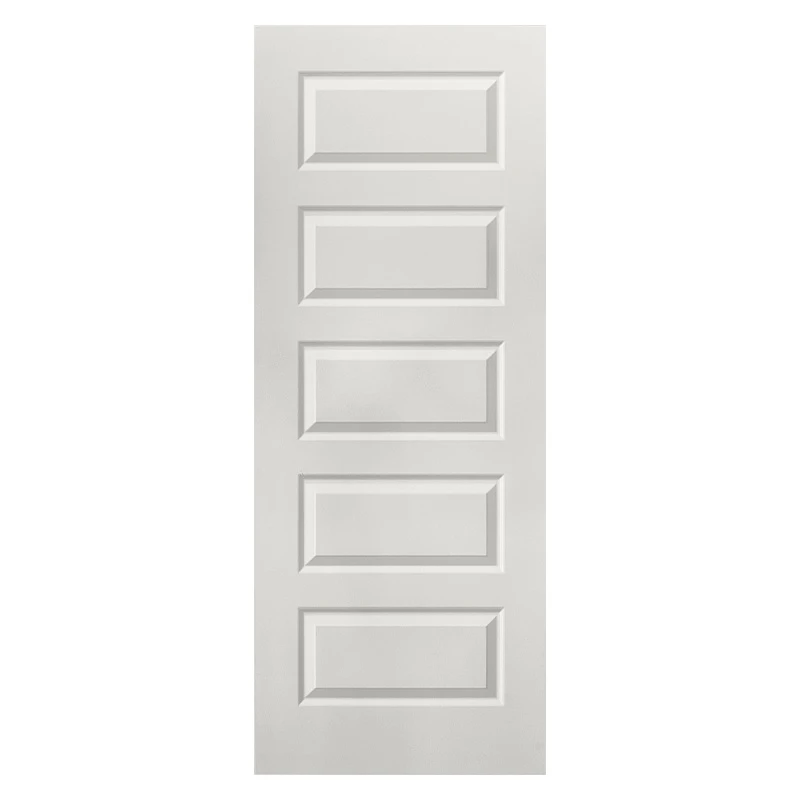
Panel doors are among the most popular interior door styles. They feature multiple panels arranged in various configurations, such as 2-panel, 3-panel, 5-panel, or 6-panel designs.
Advantages:
Timeless appearance
Suitable for traditional and modern homes
Available in various finishes
Flush Doors
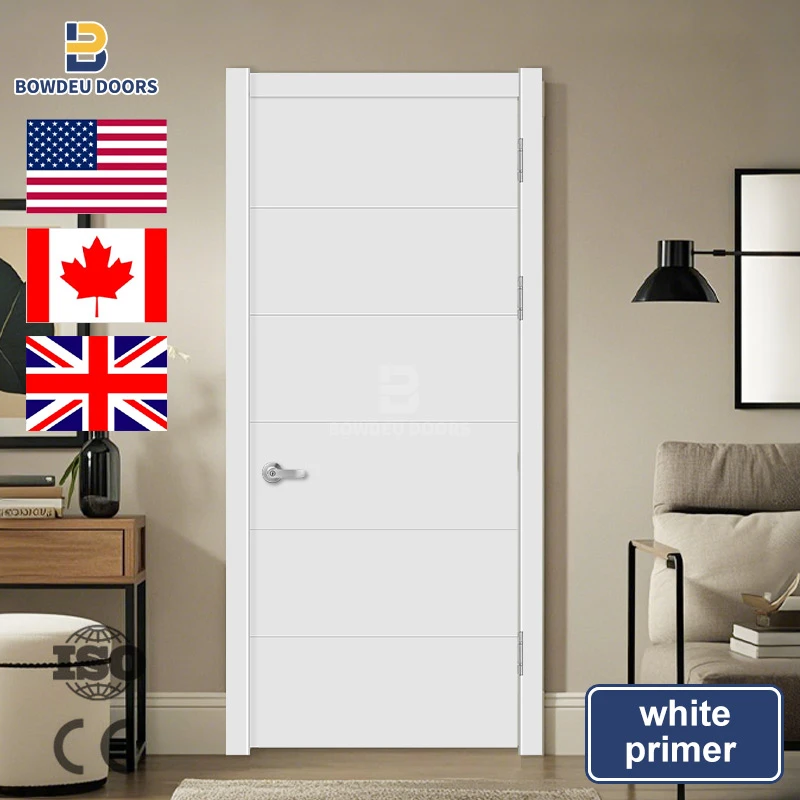
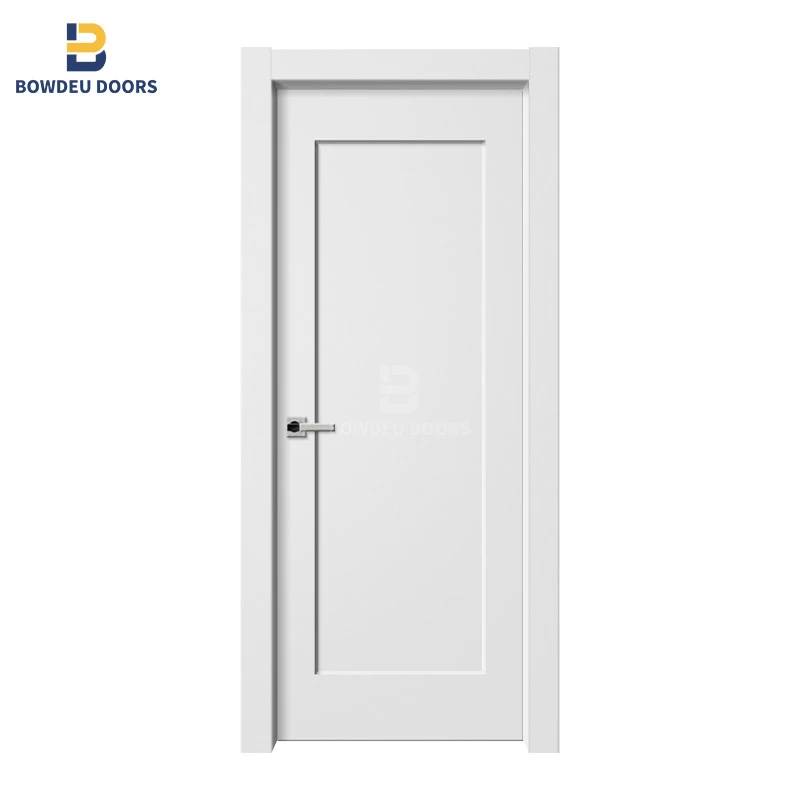
Flush doors have a smooth, flat surface without decorative panels.
Advantages:
Minimalist design
Cost-effective
Easy to clean and maintain
French Doors
French doors feature glass panels that allow natural light to pass between rooms.
Advantages:
Elegant appearance
Increased light transmission
Ideal for home offices and living spaces
Barn Doors
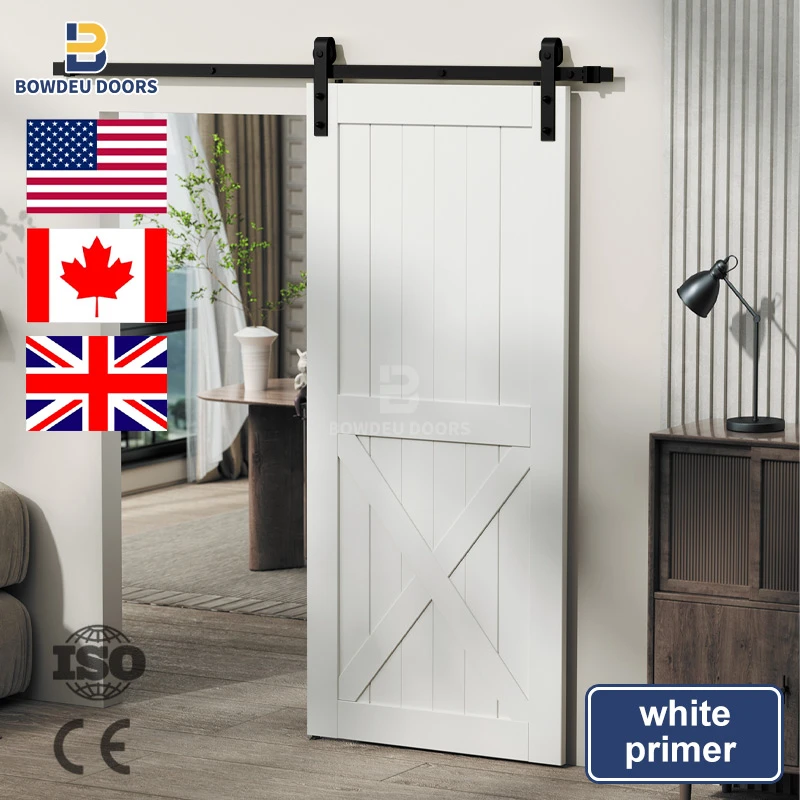
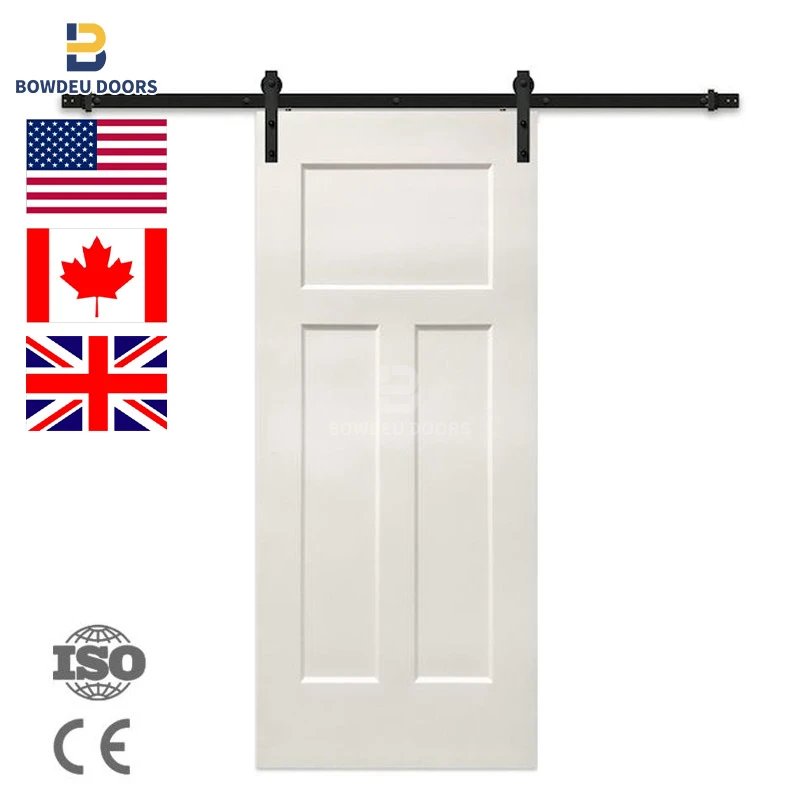
Barn doors slide along a track rather than swinging open.
Advantages:
Space-saving solution
Popular in contemporary interiors
Unique decorative appeal
Pocket Doors
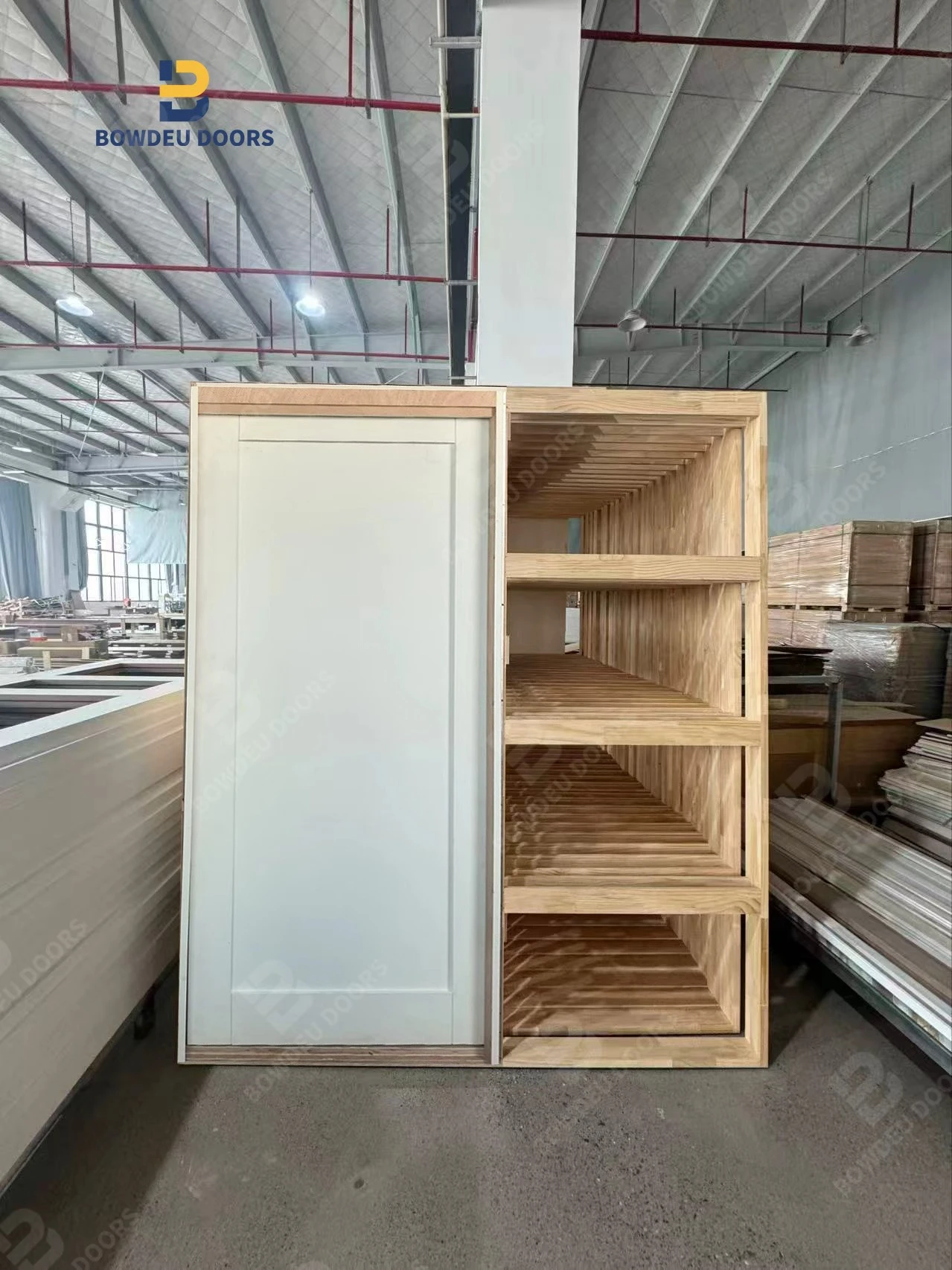
Pocket doors slide into the wall cavity when opened.
Advantages:
Excellent for small rooms
Maximizes usable space
Modern and functional
Common Interior Door Materials
Solid Wood Doors
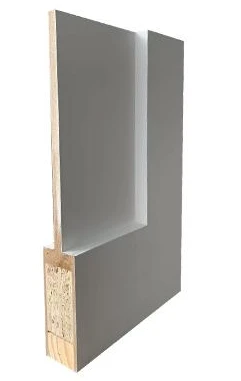
Solid wood doors are known for their durability and premium appearance.
Benefits:
Excellent sound insulation
Long lifespan
Natural beauty
MDF Doors

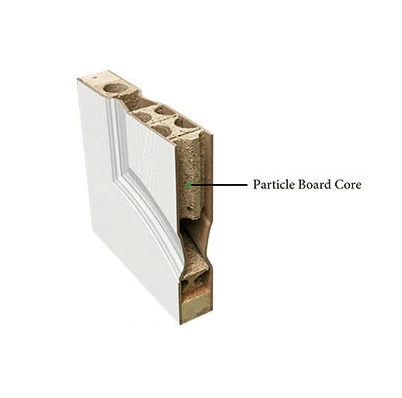
Medium Density Fiberboard (MDF) doors are widely used due to their stability and affordability.
Benefits:
Smooth paint finish
Resistant to cracking
Cost-effective
Engineered Wood Doors
Engineered wood combines solid wood veneers with engineered cores.
Benefits:
Greater dimensional stability
Reduced warping risk
Attractive wood appearance
Hollow Core Doors
Hollow core doors use a lightweight internal structure.
Benefits:
Economical option
Easy installation
Suitable for low-traffic areas
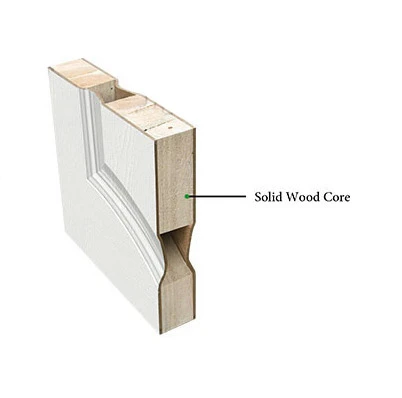
Solid Core Doors
Solid core doors contain a dense interior core.
Benefits:
Better soundproofing
Enhanced durability
Premium feel
Standard Interior Door Sizes
While dimensions vary by region, common North American interior door sizes include:
|
Product Name |
White Moulded Door |
|
Size |
24''/28''/30''/32''/36''x80''/96'', Customized |
|
Color |
customized |
|
Opening Direction |
Swing or Sliding, Left or Right |
|
Advantage |
Sound proofing, Eco-friendly, No deformation, Smooth Surface Easy to clean |
|
MOQ |
20sets |
Many projects also require custom sizes to meet specific design requirements.

Interior Door Styles Trending in 2026
Shaker Doors
Shaker doors remain one of the most sought-after styles due to their clean lines and versatility.
Modern Flush Doors
Minimalist interiors continue to drive demand for flush door designs.
Wood Grain Finishes
Natural wood textures are increasingly popular for creating warm and inviting spaces.
Black Interior Doors
Black doors offer a sophisticated and contemporary aesthetic.
Glass Panel Doors
Homeowners are choosing glass inserts to improve light flow and create open-feeling interiors.
How to Choose the Right Interior Door
When selecting interior doors, consider the following factors:
Room Function
Bedrooms and offices may benefit from solid core doors for better privacy and sound control.
Design Style
Choose a door style that complements your overall interior décor.
Material
Balance appearance, durability, and budget when selecting materials.
Maintenance Requirements
Different materials require different levels of care and upkeep.
Budget
Consider both initial cost and long-term value.
Why Solid Core Interior Doors Are Growing in Popularity
In 2026, many builders and homeowners prefer solid core interior doors because they offer:
Superior sound reduction
Improved durability
Better overall performance
Higher perceived quality
These advantages make them particularly suitable for bedrooms, offices, apartments, and hospitality projects.
Interior Door Market Trends for 2026
Several trends are shaping the interior door industry:
Increased demand for sustainable materials
Growth in custom door solutions
Rising popularity of minimalist designs
Greater focus on acoustic performance
Expansion of smart home integration
Manufacturers are responding by offering innovative products that combine aesthetics, functionality, and environmental responsibility.
Conclusion
Interior doors are much more than simple room dividers. They influence privacy, comfort, design, and property value. Whether you are a homeowner, builder, contractor, or distributor, understanding door types, materials, and market trends will help you make informed decisions.
As we move through 2026, solid core doors, engineered wood doors, and modern minimalist styles continue to dominate the market. By selecting the right interior doors, you can enhance both the functionality and appearance of any space.