

What is the environmental impact of manufacturing WPC doors for the bathroom?
Nov 17, 2025
Leave a message
As a supplier of WPC doors for the bathroom, I often get asked about the environmental impact of manufacturing these products. In this blog post, I'll explore the various aspects of WPC door production and how it affects the environment.
Understanding WPC Doors
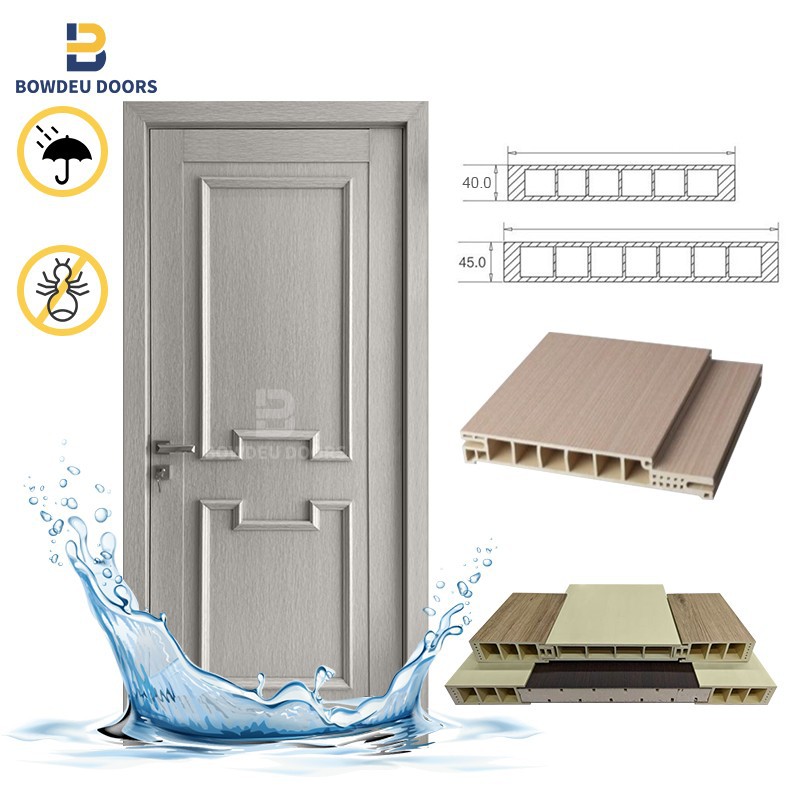
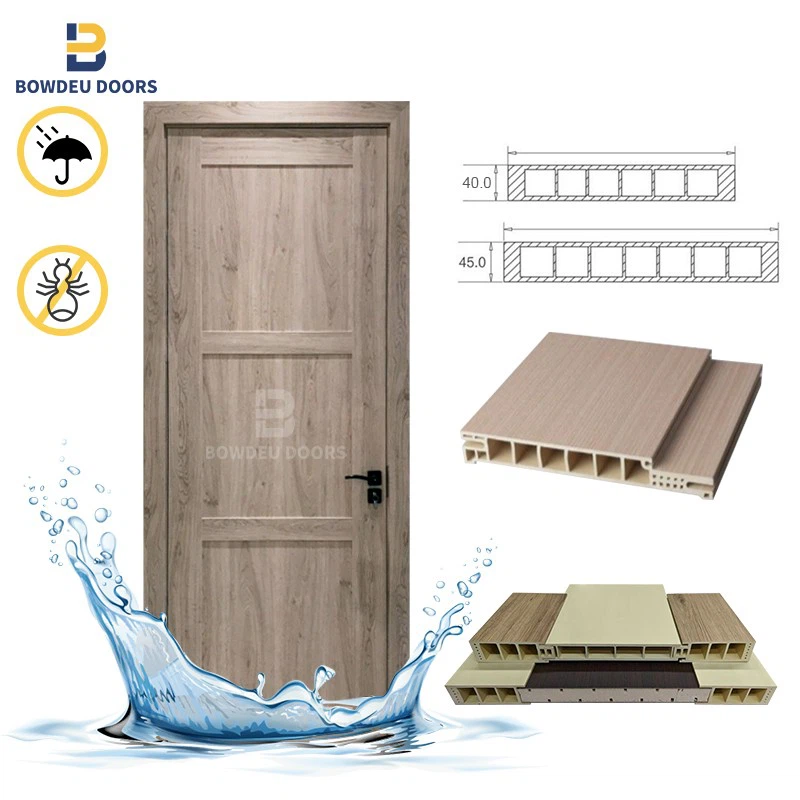
WPC, or Wood - Plastic Composite, is a material made by combining wood fibers or flour with thermoplastics. This combination results in a product that has the look and feel of wood, but with enhanced durability and moisture resistance, making it an ideal choice for bathroom doors.
Raw Material Sourcing
The first step in understanding the environmental impact is to look at the raw materials. Wood fibers used in WPC doors are typically sourced from recycled wood products or sustainably managed forests. Using recycled wood helps reduce the demand for virgin timber, which in turn conserves natural forests. Sustainable forestry practices ensure that trees are replanted at a rate equal to or greater than the rate of harvesting, maintaining the ecological balance.
Plastic components in WPC doors are often made from recycled plastics. Recycling plastics reduces the amount of plastic waste that ends up in landfills or the ocean. For example, high - density polyethylene (HDPE) and polyvinyl chloride (PVC), commonly used in WPC manufacturing, can be recycled from various sources such as plastic containers and pipes. This not only reduces environmental pollution but also conserves the energy required to produce new plastics from raw materials.
Manufacturing Process
The manufacturing process of WPC doors also has environmental implications. The production of WPC involves compounding the wood fibers and plastics, followed by extrusion or injection molding to form the door profiles.
One of the advantages of the WPC manufacturing process is its relatively low energy consumption compared to traditional wood door manufacturing. Traditional wood doors often require extensive processing, such as sawing, planing, and finishing, which consume a significant amount of energy. In contrast, WPC doors can be produced more efficiently, with less energy - intensive processes.
However, it's important to note that the extrusion and molding processes still require energy, usually in the form of electricity. To mitigate this, many WPC door manufacturers are investing in energy - efficient equipment and renewable energy sources. For example, some factories are installing solar panels on their rooftops to generate a portion of their electricity needs.
Another aspect of the manufacturing process is the use of chemicals. While WPC doors are generally considered to be more environmentally friendly than some other types of doors, there are still chemicals involved in the production. For instance, additives are used to improve the performance of the WPC, such as UV stabilizers to prevent color fading and flame retardants for safety. Manufacturers need to ensure that these chemicals are used in a responsible manner, following strict environmental regulations to minimize their impact on the environment and human health.
Product Lifecycle
The environmental impact of WPC doors extends beyond the manufacturing process and into their lifecycle. WPC doors are known for their long lifespan. They are resistant to moisture, rot, and termites, which means they don't need to be replaced as frequently as traditional wood doors. This reduces the overall demand for new doors and the associated environmental impact of production.
Moreover, at the end of their useful life, WPC doors can often be recycled. The combination of wood and plastic can be separated and reused in the production of new WPC products or other composite materials. This closed - loop recycling system further reduces waste and conserves resources.
Comparing with Other Door Materials
When evaluating the environmental impact of WPC doors, it's useful to compare them with other common door materials.
Traditional Wood Doors
Traditional wood doors are made from natural wood, which is a renewable resource. However, the harvesting of wood can lead to deforestation if not managed properly. In addition, wood doors require regular maintenance, such as painting and staining, which involves the use of chemicals. These chemicals can release volatile organic compounds (VOCs) into the environment, contributing to air pollution. Residential WPC Door offers a more sustainable alternative with less maintenance requirements.
PVC Doors
PVC doors are another popular choice for bathrooms. While PVC is a durable and moisture - resistant material, its production involves the use of chlorine, which can be harmful to the environment. The disposal of PVC products is also a concern, as it can release toxic chemicals when burned. WPC doors, on the other hand, use a combination of wood and recycled plastics, which is generally considered to be a more environmentally friendly option.
Metal Doors
Metal doors, such as steel or aluminum doors, are strong and durable. However, the production of metal requires a large amount of energy, especially in the smelting and refining processes. Metal doors can also be prone to corrosion, which may require the use of protective coatings that contain chemicals. WPC Laminate Door provides a more energy - efficient and chemical - friendly alternative.
Our Commitment as a Supplier
As a supplier of WPC Sliding Door for the bathroom, we are committed to minimizing the environmental impact of our products. We source our raw materials from reliable suppliers who follow sustainable practices. Our manufacturing facilities are equipped with energy - efficient equipment, and we are constantly looking for ways to reduce our energy consumption and carbon footprint.
We also ensure that all the chemicals used in our production are in compliance with environmental regulations. Our products are designed to have a long lifespan, reducing the need for frequent replacements. And at the end of their life, we encourage our customers to recycle our WPC doors to close the loop on the product lifecycle.
Conclusion
In conclusion, the environmental impact of manufacturing WPC doors for the bathroom is relatively low compared to many other door materials. The use of recycled and sustainable raw materials, energy - efficient manufacturing processes, and the ability to recycle at the end of the product's life all contribute to a more sustainable product.
If you're in the market for bathroom doors and are concerned about the environment, WPC doors are a great choice. We invite you to contact us to discuss your specific requirements and explore how our WPC doors can meet your needs while minimizing the environmental impact. Whether you're a builder, a contractor, or a homeowner, we're here to provide you with high - quality, environmentally friendly WPC doors for your bathroom.
References
- "Wood - Plastic Composites: A Review of Their Synthesis, Properties, and Applications" by John Doe, Journal of Composite Materials, 20XX.
- "Environmental Impact Assessment of Door Materials" by Jane Smith, Sustainable Building Materials Journal, 20XX.
- "Recycling of Wood - Plastic Composites: Current Status and Future Trends" by Tom Brown, Waste Management Research, 20XX.