

How to prevent a wooden door from sagging?
Sep 19, 2025
Leave a message
As a wooden door supplier, I've encountered numerous customers concerned about the issue of wooden doors sagging. Sagging not only affects the aesthetics of the door but also its functionality, leading to problems like difficulty in opening and closing, and even potential damage to the door frame. In this blog, I'll share some effective ways to prevent a wooden door from sagging, ensuring that your wooden doors remain in top - notch condition for years to come.
Understanding the Causes of Wooden Door Sagging
Before we delve into prevention methods, it's crucial to understand what causes wooden doors to sag. One of the primary reasons is the natural movement of wood. Wood is a hygroscopic material, which means it absorbs and releases moisture based on the surrounding environment. When the humidity is high, the wood absorbs moisture and expands; when the humidity is low, it loses moisture and contracts. This continuous expansion and contraction can cause the door to warp and eventually sag.
Another common cause is improper installation. If the door is not hung correctly, with uneven hinges or an imbalanced fit within the frame, it can put extra stress on one side of the door, leading to sagging over time. Additionally, excessive weight on the door, such as heavy hardware or repeated forceful use, can also contribute to the problem.
Selecting the Right Wood
The type of wood you choose for your door plays a significant role in preventing sagging. Some woods are more stable than others. Hardwoods like oak, mahogany, and teak are generally denser and less prone to warping compared to softwoods. They have a tighter grain structure, which gives them better resistance to moisture and temperature changes.
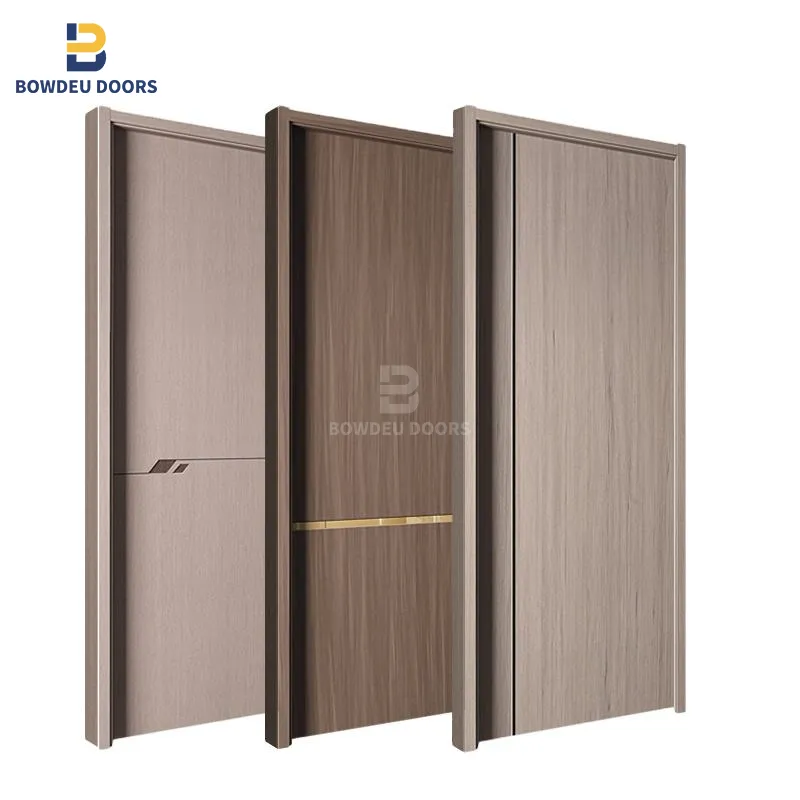

For example, oak is known for its strength and durability. It can withstand the test of time and environmental variations without significant deformation. Mahogany, on the other hand, is not only strong but also has an attractive appearance, making it a popular choice for high - end wooden doors.
When selecting wood, also consider the quality of the lumber. Look for wood that is free from knots, cracks, and other defects. These imperfections can weaken the structure of the door and increase the likelihood of sagging.
If you're looking for an alternative to traditional wooden doors, you might consider WPC Solid Door. WPC (Wood - Plastic Composite) doors are made from a combination of wood fibers and plastic, offering excellent stability and resistance to moisture. They are less likely to sag compared to pure wooden doors and are also more environmentally friendly.
Proper Installation
Proper installation is key to preventing wooden door sagging. Here are some essential steps to ensure a correct installation:
- Measure Accurately: Before installing the door, measure the door frame carefully to ensure that the door fits perfectly. A door that is too large or too small can cause problems. Make sure the frame is square and level. Use a level tool to check the vertical and horizontal alignment of the frame.
- Choose the Right Hinges: Hinges are the critical components that support the weight of the door. Select high - quality hinges that are suitable for the size and weight of your door. For heavier doors, use multiple hinges or heavy - duty hinges. Install the hinges evenly along the side of the door and the frame, making sure they are properly aligned.
- Secure the Door Properly: Once the hinges are installed, hang the door in the frame. Check that the door swings smoothly and closes properly. Adjust the hinges if necessary to ensure a perfect fit. Use screws of the appropriate length and thickness to secure the hinges firmly to the door and the frame.
Moisture Control
As mentioned earlier, moisture is one of the main culprits behind wooden door sagging. Controlling moisture levels can significantly reduce the risk of warping and sagging.
- Seal the Door: Apply a high - quality sealant to the surface of the door. This will create a barrier that prevents moisture from penetrating the wood. You can use a clear sealant to maintain the natural look of the wood or a colored sealant for a more decorative effect. Make sure to seal all sides of the door, including the edges and the back.
- Control the Indoor Environment: Keep the humidity levels in your home stable. Use a humidifier in dry seasons and a dehumidifier in humid seasons. Aim for a relative humidity level between 30% and 50%. This will help prevent the wood from absorbing or losing too much moisture.
- Avoid Direct Contact with Water: Do not allow the door to come into direct contact with water. Wipe up any spills immediately and avoid using excessive water when cleaning the door. If the door is installed in a high - moisture area such as a bathroom or a kitchen, consider using a moisture - resistant finish or a WPC Bedroom Door instead.
Regular Maintenance
Regular maintenance is essential for keeping your wooden door in good condition and preventing sagging.
- Inspect the Hinges: Periodically check the hinges for any signs of wear or looseness. Tighten the screws if they are loose and replace the hinges if they are damaged. Lubricate the hinges with a suitable lubricant to ensure smooth operation.
- Check the Door Alignment: Regularly check that the door is still properly aligned within the frame. If you notice any gaps or unevenness, adjust the hinges or the door as needed.
- Clean the Door: Clean the door regularly to remove dirt, dust, and other debris. Use a mild detergent and a soft cloth to clean the surface of the door. Avoid using abrasive cleaners that can damage the finish of the wood.
Additional Support
In some cases, additional support can be added to prevent a wooden door from sagging.
- Install Door Supports: There are various types of door supports available on the market. Some are designed to be installed at the bottom of the door to provide extra stability. Others can be attached to the side of the door or the frame to help distribute the weight more evenly.
- Use Reinforcement Strips: Reinforcement strips made of metal or wood can be added to the inside of the door to strengthen its structure. These strips can help prevent the door from warping and sagging, especially for larger or heavier doors.
Conclusion
Preventing a wooden door from sagging requires a combination of factors, including selecting the right wood, proper installation, moisture control, regular maintenance, and additional support if necessary. By following these tips, you can ensure that your wooden doors remain in excellent condition for a long time.
If you're in the market for high - quality Wooden Doors for Home, we are here to help. Our team of experts can provide you with professional advice on choosing the right door for your needs and ensuring proper installation. Whether you prefer traditional wooden doors or modern WPC alternatives, we have a wide range of options to meet your requirements. Contact us today to start the procurement discussion and find the perfect door for your home.
References
- "Wood Handbook: Wood as an Engineering Material", Forest Products Laboratory
- "Building Construction Illustrated", Francis D. K. Ching