

Do WPC toilet doors require special tools for installation?
Jan 22, 2026
Leave a message
As a supplier of WPC toilet doors, I often encounter inquiries from customers about the installation process, particularly whether special tools are required. In this blog post, I'll delve into this topic, providing insights based on my experience in the industry.
Understanding WPC Toilet Doors
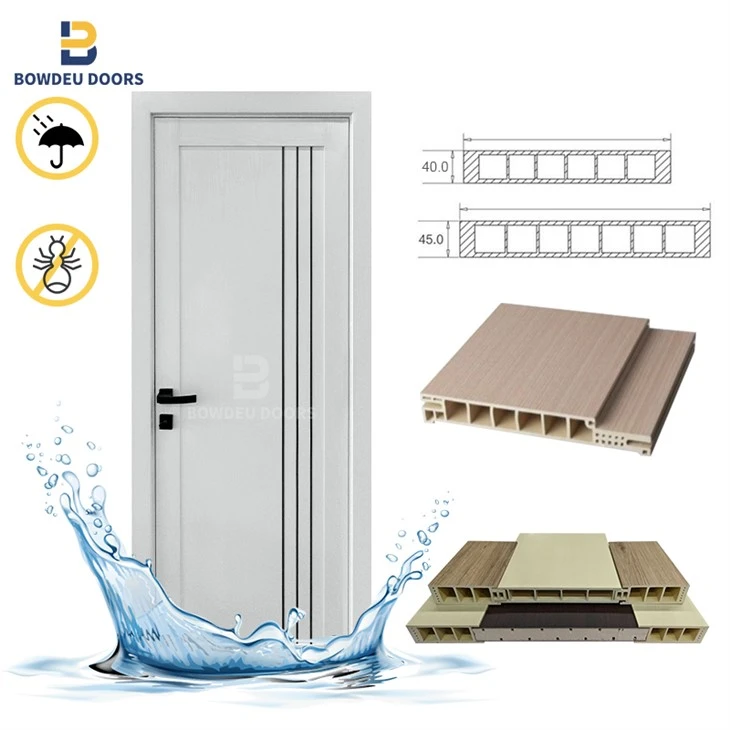
WPC, or Wood - Plastic Composite, is a material that combines wood fibers and thermoplastics. This blend results in a product that offers the aesthetic appeal of wood with the durability and moisture - resistance properties of plastic. WPC toilet doors are an excellent choice for bathrooms due to their ability to withstand high humidity and resist warping, swelling, and rotting.
There are different types of WPC doors available in the market, such as WPC Interior Door, WPC Laminated Door, and WPC Double Door. Each type may have unique features, but the basic installation principles remain relatively similar.
Tools Required for WPC Toilet Door Installation
Common Tools
In most cases, the installation of WPC toilet doors does not require special tools. You can complete the installation process using a set of common household tools that many DIY enthusiasts already own.
- Measuring Tape: Accurate measurements are crucial for a proper fit. Measure the door opening width, height, and depth to ensure that the WPC door you've purchased is the right size. A measuring tape is essential for this step.
- Level: A level is used to ensure that the door is installed perfectly vertical and horizontal. This is important for the smooth operation of the door and to prevent any binding or uneven closing.
- Screwdriver: Both flat - head and Phillips - head screwdrivers are necessary for attaching hinges, handles, and other hardware to the door. Depending on the type of screws used, you may need different sizes of screwdrivers.
- Hammer: A hammer can be used for tasks such as tapping in nails (if applicable) or gently adjusting the position of the door during installation.
- Saw: If the door needs to be trimmed to fit the opening, a saw can be used. A handsaw or a power saw, such as a circular saw, can be employed for this purpose. However, it's important to note that WPC is a relatively soft material compared to solid wood, so it cuts more easily.
Optional Tools
While the above tools are sufficient for most installations, there are some optional tools that can make the process easier and more precise.
- Power Drill: A power drill can speed up the process of screwing in hardware. It provides more torque than a manual screwdriver, especially when dealing with larger or tougher screws.
- Chisel: A chisel can be used to create recesses for hinges or other hardware. This helps to ensure that the hardware sits flush with the door surface.
Installation Steps and Tool Usage
Step 1: Prepare the Door Opening
Before installing the WPC toilet door, make sure the door opening is clean, free of debris, and properly framed. Use a measuring tape to double - check the dimensions of the opening. If the opening is not square, use a level to identify any discrepancies and make the necessary adjustments.
Step 2: Attach Hinges to the Door
Using a screwdriver, attach the hinges to the door. Place the hinges at the appropriate locations, usually about 7 - 10 inches from the top and bottom of the door. Make sure the hinges are aligned properly and tightened securely.
Step 3: Hang the Door
With the help of a friend, lift the door into the opening and align the hinges with the hinge mortises on the door frame. Use a screwdriver to attach the hinges to the frame. Check the alignment of the door using a level and make any necessary adjustments.
Step 4: Install the Door Handle
Using a power drill or a screwdriver, install the door handle according to the manufacturer's instructions. Make sure the handle is centered and tightened securely.

Step 5: Final Checks
Once the door is installed, check its operation. Open and close the door several times to ensure that it moves smoothly and closes properly. Use a level to double - check the alignment of the door and make any final adjustments if needed.
Special Situations and Tool Requirements
In some special situations, you may need additional tools or equipment.
- Heavy - Duty WPC Doors: If you're installing a large or heavy - duty WPC double door, such as a WPC Double Door, you may need a lifting device, such as a door lift or a hoist, to safely lift and position the door.
- Custom - Fit Doors: For custom - fit WPC doors that require complex cuts or modifications, you may need more specialized cutting tools, such as a jigsaw or a router, to achieve the desired shape and finish.
Conclusion
In general, the installation of WPC toilet doors does not require special tools. With a set of common household tools, you can successfully install a WPC toilet door in your bathroom. However, depending on the specific situation, such as the type of door and the complexity of the installation, you may need to use some optional or specialized tools.
If you're unsure about the installation process or need further assistance, don't hesitate to contact us. As a professional WPC toilet door supplier, we have the expertise and knowledge to guide you through the installation process and answer any questions you may have. Whether you're interested in WPC Interior Door, WPC Laminated Door, or any other type of WPC door, we're here to help you make the right choice and ensure a successful installation.
If you're considering purchasing WPC toilet doors for your project, we encourage you to reach out to us for more information. Our team is ready to assist you with product selection, pricing, and installation advice. Contact us today to start your journey towards a beautiful and functional bathroom.
References
- "Wood - Plastic Composites: Materials, Processing, and Products" by Leszek A. Pszczola
- Manufacturer's installation guides for WPC toilet doors